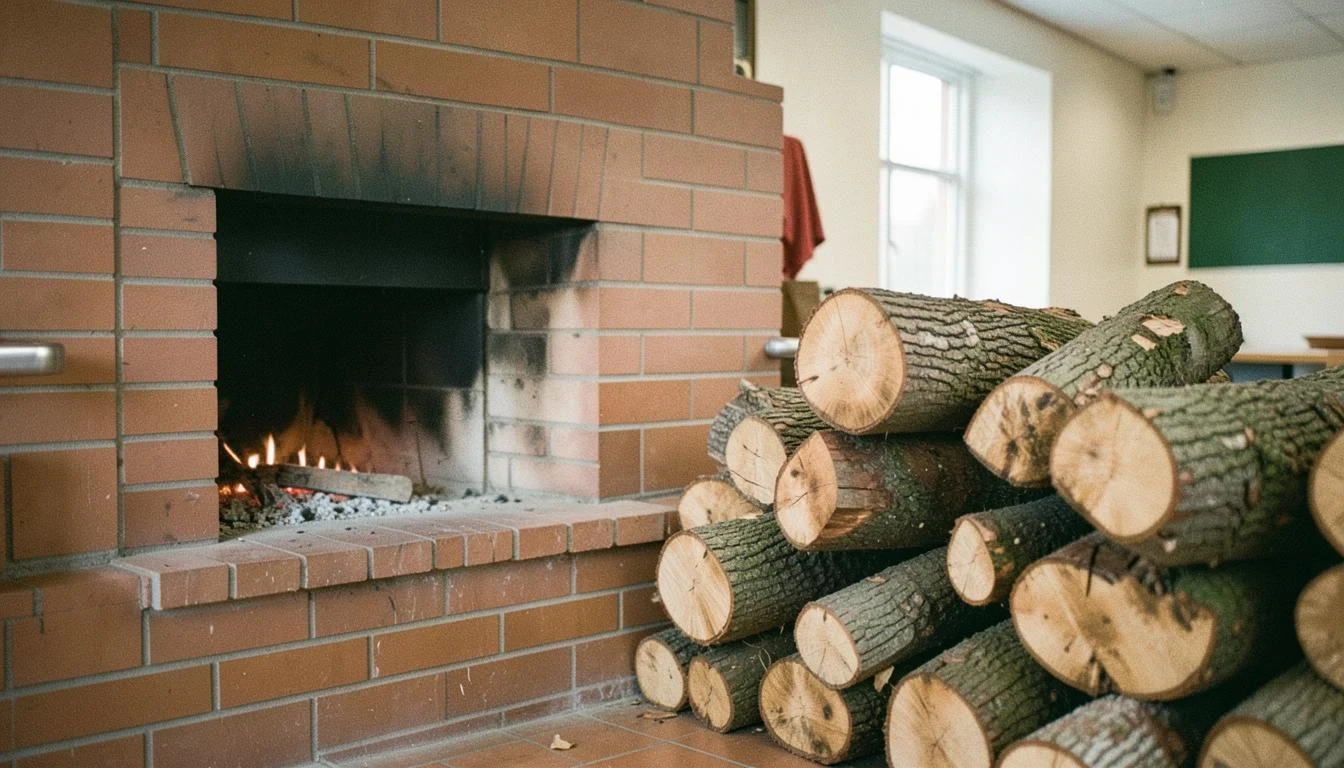
Wood-fire cooking uses real wood as a fuel source to impart a unique smoky flavor and create intense, radiant heat. This method delivers a distinct taste profile and superior texture that gas or electric ovens cannot achieve. It is the defining technique at Brasa, a wood-fire restaurant in Luxembourg.
Table of Contents
Key takeaways
- Wood smoke infuses a unique aromatic flavor.
- Radiant heat creates superior caramelization and texture.
- The technique requires specific skill to manage fire and temperature.
- It represents a culinary tradition distinct to restaurants like Brasa.
What makes wood-fire cooking taste different?
The flavor difference in wood-fire cooking comes from aromatic smoke and radiant heat. Hardwoods release complex compounds when burned, which adhere to food. Simultaneously, the intense, dry heat promotes Maillard reaction, creating deeper browning and richer flavors than conventional ovens.
Not all wood creates the same flavor. The type of wood used is a primary driver. Denser hardwoods like oak or beech burn longer and provide a robust, smoky base, while fruitwoods like apple offer a milder, slightly sweet note. The flavor also depends on how the fire is managed. A clean-burning fire with well-seasoned wood produces a cleaner smoke flavor, while a smoldering fire can lead to bitter, acrid tones. A common mistake is assuming any smoke is good smoke; quality and combustion matter greatly.
In a restaurant setting, this means selecting wood for its flavor profile to complement specific dishes. At Brasa, the choice of wood is integral to the menu's character, ensuring the smoke enhances rather than overwhelms the primary ingredients.
How does cooking with wood benefit a restaurant?
For a restaurant, wood-fire cooking offers distinct culinary benefits that define its offering. It creates a unique flavor signature impossible to replicate with standard equipment, setting the establishment apart. The theater of an open fire also enhances the dining atmosphere, adding a sensory dimension.
The restaurant benefits stem from a commitment to a specific craft. This method dictates menu design, favoring ingredients that respond well to high, direct heat and smoke—prime cuts of meat, robust vegetables, and certain breads. Kitchen workflow must adapt to the fire's lifecycle, with cooking times varying based on the bed of embers' intensity. Consistency is achieved not by a dial but through a chef's skill in reading the fire.
Operationally, it requires a significant investment in a proper ventilation system and a steady supply of correctly seasoned wood. For a restaurant in Luxembourg, sourcing local hardwoods can connect the dining experience to the regional environment. The benefit is a cohesive concept where the cooking method is central to the story, not just a feature.
Is wood-fired food healthier?
Wood-fire cooking isn't inherently healthier, but it can support cleaner cooking approaches. The method often uses less added fat, as the high heat sears and seals in juices. However, the primary advantages are culinary: enhanced flavor and texture that can make simple, high-quality ingredients shine.
Health impacts depend heavily on technique. Cooking directly over roaring flames can cause flare-ups that char food, which some prefer to minimize. The skill lies in using radiant heat from the embers or positioning food adjacent to the flame. This control manages exposure to direct smoke and flame.
A wood-fire restaurant focuses on the flavor outcome. The process naturally complements a menu built on identifiable, whole ingredients—a piece of fish, a seasonal vegetable—cooked without heavy sauces or breading. For the diner, this often means a meal centered on the natural quality of the food, amplified by fire, which aligns with many modern dining preferences in Luxembourg and beyond.
When choosing a wood-fire restaurant, look for a visible kitchen with a well-tended fire. A hazy, smoke-filled room often indicates poor ventilation, while a clean-burning fire with glowing embers suggests proper management and a better dining experience.
What should I look for in a wood-fire restaurant?
Look for a restaurant where the wood fire is central to the kitchen, not a decorative element. The menu should reflect the technique, featuring dishes designed for that heat. Evidence of skill includes consistent sear marks, balanced smoky aroma, and no excessive charring.
Begin by examining the menu. It should logically feature items that benefit from high-heat searing and smoke infusion. A checklist for evaluating includes:
- Is the kitchen open or partially visible, allowing you to see the fire?
- Does the aroma in the dining room suggest clean wood smoke, not greasy smoke?
- Are dishes described simply, highlighting the main ingredient and perhaps the wood type?
Locally, a restaurant like Brasa in Luxembourg grounds its practice in this focused approach. The ambiance should feel integrated—warm, inviting, and centered around the hearth's glow. Avoid places where the wood oven seems an afterthought or the menu is generic. The true test is in the first bite: the flavor should carry a distinct, pleasant smokiness that enhances, not masks, the food's natural taste.
Frequently asked questions
Does wood-fire cooking make everything taste smoky?
No. Skilled chefs use the fire's radiant heat more than direct smoke for many dishes. The goal is a subtle, aromatic infusion that complements the main ingredient, not an overpowering smoke flavor.
What types of food are best for wood-fire cooking?
Foods that benefit from fast, high-heat searing and a touch of smoke excel. This includes red meats, poultry, firm fish, root vegetables, and flatbreads. Delicate herbs or mild white fish are often cooked indirectly.
Is it more expensive to dine at a wood-fire restaurant?
The cost reflects the specialized technique, equipment, and often higher-quality ingredients used. The process is labor-intensive and requires premium fuel, which can influence the final menu pricing compared to standard restaurants.
Can I get wood-fired food for takeaway?
While possible, the experience is diminished. The textural contrast of a crisp, fire-kissed crust and the immediate aroma are best enjoyed onsite. Some items, like roasted vegetables, travel better than seared meats.