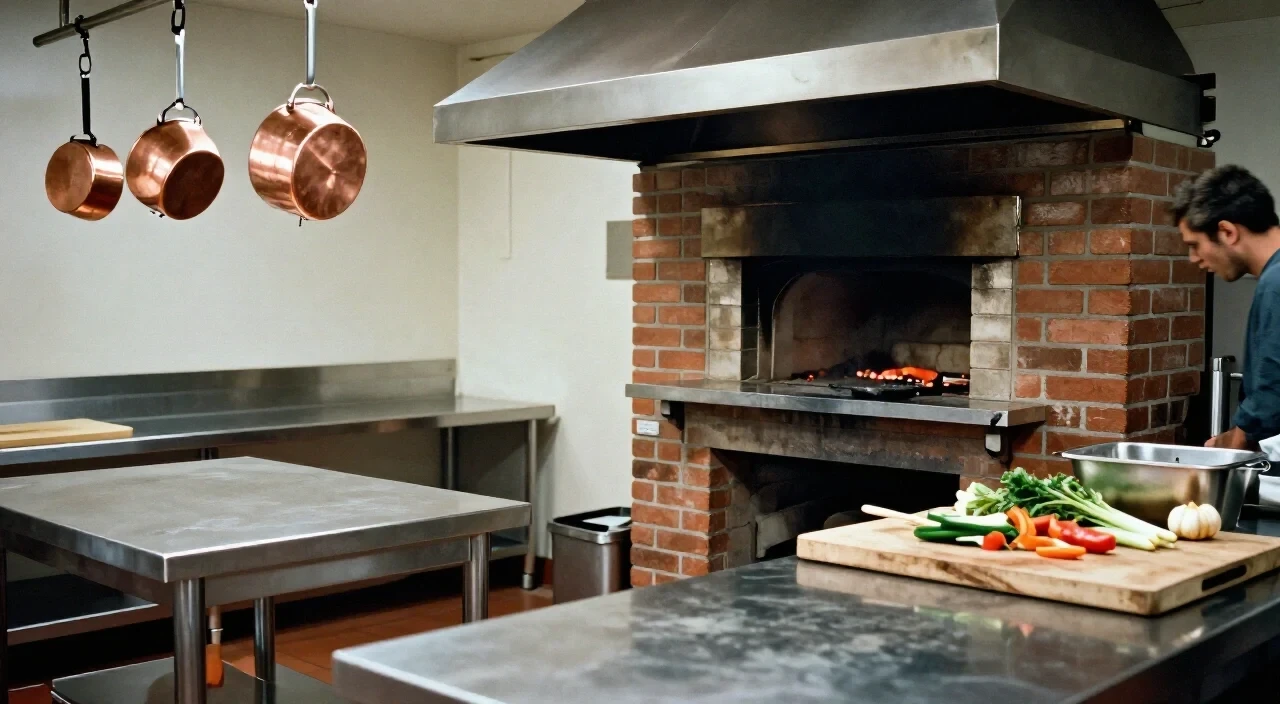
Brasa offers immersive cooking classes that teach the fundamentals of wood-fire cooking, from fire management to seasoning techniques, in a supportive environment in Luxembourg. Participants leave with practical skills, a deeper appreciation for flame-kissed flavor, and a finished dish to enjoy.
Table of Contents
Key takeaways
- Hands-on wood-fire instruction
- Classes last 2-3 hours
- Small groups for personal guidance
- Leave with a ready-to-eat dish
What can I expect from a cooking class at Brasa?
A Brasa cooking class combines a brief safety briefing, a live wood-fire demonstration, and guided practice where participants prepare a complete menu under the chef’s supervision. The experience balances theory with immediate hands-on work.
The session begins with a short overview of the wood-fire oven, explaining heat zones, fuel selection, and safety protocols. Participants then watch a live demo of fire building and temperature control, followed by a step-by-step walk-through of the chosen recipes. Throughout the cooking phase, the instructor circulates, offering adjustments on timing, seasoning, and technique. The class ends with a tasting round, allowing participants to compare their results and ask final questions. Because groups are limited, each person receives individualized feedback, making the learning curve steeper than a typical large-group workshop.
Key elements that shape the outcome:
- Size of the group (usually 4-6 people) determines instructor attention.
- Choice of menu influences fire management; meat dishes need higher heat, breads benefit from a slower bake.
- Participants’ comfort with raw ingredients can affect pace; beginners may need extra prep time.
Common mistake: trying to rush the fire-building stage. Allowing the wood to turn to a steady ember creates an even temperature, which is essential for consistent cooking results.
How long does a Brasa wood-fire cooking class last?
A typical Brasa class runs between two and three hours, balancing instruction, hands-on cooking, and a final tasting without feeling rushed. The exact length depends on the menu complexity and group size.
The first 15-20 minutes cover safety, fire preparation, and an overview of the equipment. Next, the instructor demonstrates key techniques such as managing ember heat, positioning food, and timing. Participants then move to the cooking stations, where they execute the recipes. This active phase usually occupies 90-120 minutes, allowing enough time for grilling, roasting, or baking while the fire stabilizes.
The final 20-30 minutes are reserved for plating, tasting, and a brief Q&A. If the class includes multiple dishes (e.g., a starter, main, and dessert), the schedule expands toward the three-hour mark. Conversely, a single-dish focus may finish closer to two hours.
Tips to keep the session on track:
- Arrive a few minutes early to settle in and receive any pre-class materials.
- Follow the instructor’s fire-building timeline; adding extra wood too early can overheat the oven.
- Keep an eye on the thermometer (if provided) to avoid overcooking.
When a longer session is requested, Brasa can arrange a private workshop that extends beyond the standard timeframe, allowing deeper exploration of advanced techniques.
What skills will I learn during the wood-fire cooking class?
Participants leave the class equipped with core wood-fire skills: building and maintaining a steady ember, controlling heat zones, seasoning food for flame-enhanced flavor, and timing multiple dishes within the same oven.
The fire-building segment teaches how to select dry hardwood, arrange logs for optimal airflow, and recognize the transition from flames to embers. Understanding this phase is crucial because ember temperature determines whether a steak sears or a loaf rises evenly.
Heat-zone management follows, showing how to position food nearer the fire for high-heat searing or farther away for gentle roasting. The instructor demonstrates moving pans, using cast-iron lids, and rotating items to avoid hot-spot scorching.
Seasoning and flavor development are explored through the lens of wood-smoke chemistry. Participants learn which herbs complement smoky notes and how to finish dishes with a drizzle of herb-oil to balance intensity.
Timing multiple dishes is practiced by creating a simple schedule: start with items requiring the highest heat, then shift to lower zones as the fire settles. This teaches kitchen choreography that can be applied to any oven, not just wood-fire.
Common pitfalls include neglecting to let the fire reach ember stage, which leads to uneven cooking, and over-crowding the oven, which reduces airflow. The instructor emphasizes cleaning the grill grates between uses to prevent flavor cross-contamination.
By the end of the session, participants can independently fire up a wood oven, judge temperature by sight and touch, and execute a complete menu with confidence.
How do I book a cooking class and what should I bring?
Bookings are made through Brasa’s online reservation system or by phone; select the desired date, class type, and number of participants, then confirm with a deposit. Participants should bring comfortable clothing, closed-toe shoes, and a willingness to get a little soot.
The reservation page lists available slots for the coming weeks, grouped by weekday and weekend options. After choosing a time, the system asks for contact details and any dietary restrictions, allowing the chef to tailor the menu. A confirmation email follows, containing the class agenda, arrival time (typically 10 minutes before the start), and a short checklist.
What to bring:
- Closed-toe shoes: the kitchen floor can be hot and slippery.
- Apron (optional, but Brasa provides a disposable one).
- Notebook: handy for jotting down fire-management tips.
- A reusable water bottle: staying hydrated is key when working near heat.
Items to leave at home:
- Loose jewelry that could catch fire.
- Fragile electronic devices.
- Large bags that block movement.
If a participant has a specific allergy, informing Brasa during booking allows the chef to adjust ingredients or provide alternatives. For private groups, the same booking flow applies; select the “private workshop” option, and Brasa will contact you to finalize menu and timing.
Cancellation policy: notice at least 48 hours before the class avoids a forfeited deposit. Late cancellations may be charged at a reduced rate, reflecting the preparation time and reserved oven slot.
Tip: Let the wood burn down to a steady ember before placing food. This reduces flare-ups, creates even heat, and brings out the natural smoky flavor without burning the exterior.
Frequently asked questions
Do I need prior cooking experience?
No. Brasa designs classes for all skill levels. Beginners receive step-by-step guidance, while more experienced cooks can refine advanced techniques.
Are the classes suitable for children?
Children under 12 are not permitted for safety reasons, but teenagers who can follow safety instructions are welcome.
Can I arrange a private group session?
Yes. Private workshops can be booked through the same online system; they allow customized menus and flexible timing for groups of any size.