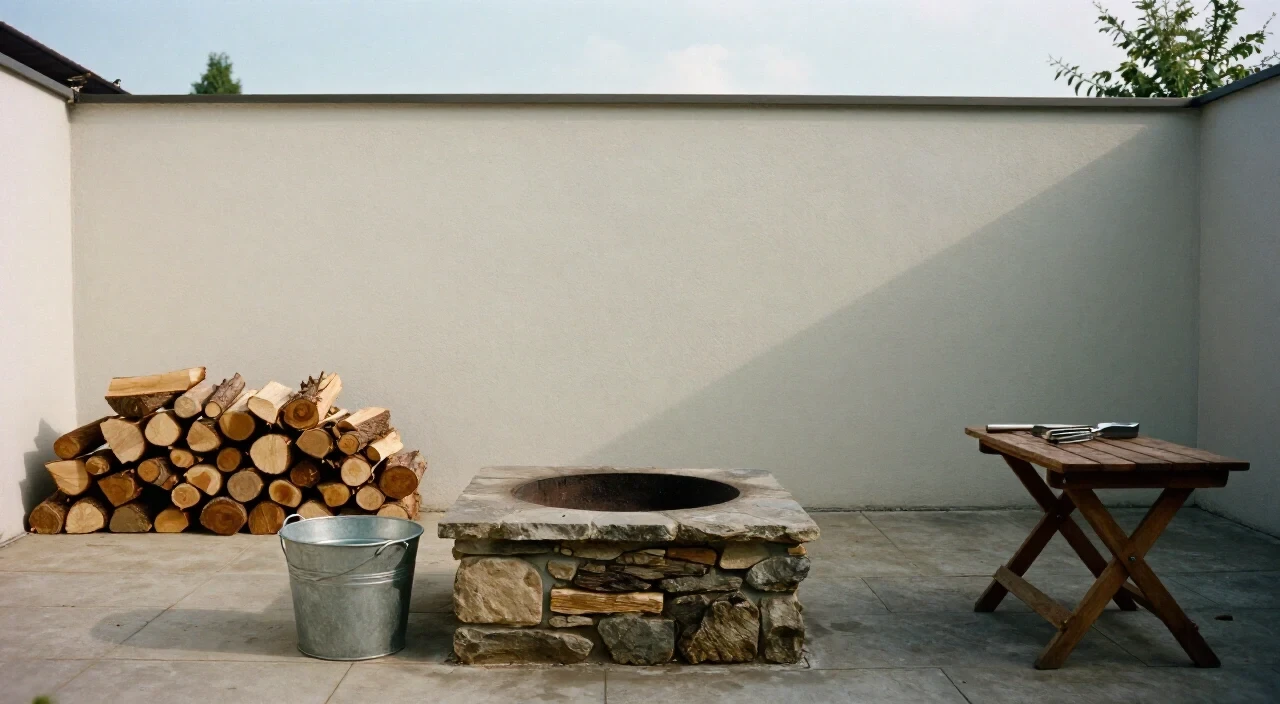
Wood-fire cooking is allowed on private property or designated sites in Luxembourg if the fire is supervised, kept at least 100 metres from forests or dry vegetation, and a means of extinguishing it—such as a water-filled container—is kept within arm’s reach.
Table of Contents
Key takeaways
- Wood-fire cooking is legal with supervision and distance rules
- Use seasoned hardwood, avoid softwoods
- Keep a water-filled container nearby at all times
- Cool embers fully before disposal at authorised sites
Is wood-fire cooking legal in Luxembourg?
Wood-fire cooking is permitted on private property or in specially prepared sites, provided the fire is supervised, kept at least 100 metres from any forest, dry vegetation or structures, and a means of extinguishing the fire is readily available, according to the 2026 fire-risk order issued by Luxembourg’s fire-and-rescue service.
The 2026 order distinguishes between permanent bans—such as the prohibition of open fires in forests—and conditional allowances for barbecues, braziers and wood-fire ovens on private land. The key conditions are continuous adult supervision, a safe separation from combustible material, and immediate access to an extinguishing device, typically a bucket of water or a portable fire extinguisher.
Local municipalities may add temporary fire bans during drought periods; these are announced publicly and must be respected. When a temporary ban is in force, even designated private sites cannot be used for wood-fire cooking. Checking the latest municipal notice or the national fire-and-rescue website before planning a session prevents fines and ensures safety.
Common mistake: assuming that a garden pizza oven is automatically exempt from the 100-metre rule. The distance applies to any open flame, regardless of size. If the property borders a forest or a strip of dry grass, a buffer zone must be created or the activity moved to an official barbecue area.
When in doubt, contact the local fire-and-rescue service for clarification. They can confirm whether a specific location meets the legal requirements and advise on any additional precautions needed.
What equipment and wood can beginners use safely?
Beginners should start with a small, portable wood-fire grill or a brick-built pizza oven that meets local safety standards, using seasoned hardwood such as oak, beech or ash; softwoods are avoided because they create excess smoke and flare-ups, in accordance with the guidance that prohibits open flames in public areas.
A compact grill requires less fuel, reaches target temperatures faster, and is easier to move to a compliant spot. Brick ovens retain heat longer, ideal for pizzas and roasts, but need a solid foundation and a clear 100-metre buffer from vegetation. Both options should feature a sturdy lid or door to control airflow.
When selecting wood, look for dry, split logs that have been seasoned for at least six months. Hardwoods burn hotter and more evenly, producing less acrid smoke that can affect flavour. Avoid pine, fir or spruce; their resins spark quickly and release resinous fumes that can coat food.
Checklist for equipment and fuel:
- Choose a grill or oven with a stable base and heat-resistant handles.
- Verify that the model complies with any local fire-safety recommendations.
- Stock seasoned hardwood (oak, beech, ash) in manageable lengths (30-40 cm).
- Keep a small supply of kindling (dry twigs, newspaper) for ignition.
- Store wood under a roof to stay dry, preventing unexpected flare-ups.
If space allows, a small metal fire pit can serve as a practice area before moving to a permanent oven. Remember that any equipment placed in a public park or shared garden must be approved by the site manager.
How do I safely light and control temperature in a wood-fire oven?
Light the fire with kindling and small hardwood pieces, allow the flames to develop, then add larger logs until the oven reaches the desired temperature; use a metal thermometer or touch-test and adjust airflow with the oven’s vent to maintain a steady heat range.
Begin by arranging a tee-pee of kindling in the centre of the grill or oven floor. Light the kindling at several points using a long match or a fire-starter. Once a steady flame appears, add two or three small hardwood sticks to build a modest base fire. Allow the base to burn for 10-15 minutes; this creates a bed of glowing coals that distribute heat evenly.
To raise the temperature, introduce a larger log or two, positioning them near the back wall where heat accumulates. Monitor the temperature with an infrared thermometer aimed at the cooking surface, or use the traditional hand-test: hold the back of the hand 12 cm above the oven floor; a tolerable heat lasts about 2-3 seconds for pizza baking (≈ 350 °C).
Airflow control is critical. Most brick ovens have a top vent and a side damper. Opening the vent increases oxygen, raising temperature quickly; closing it reduces oxygen, lowering the heat. Adjust in small increments and wait a few minutes for the change to stabilise.
Common mistakes:
- Adding too many logs at once, causing a sudden temperature spike and smoke.
- Ignoring the vent, which leads to uneven heating and possible flare-ups.
- Using wet wood, which produces excessive steam and cools the oven.
If temperature drops below the target, stir the coals gently to expose hotter embers, then add a small log. For precise baking, maintain the oven within a 20 °C band of the desired temperature; this consistency yields the characteristic char and aroma of wood-fire cuisine.
How should I extinguish the fire and dispose of ashes responsibly?
When cooking is finished, spread the embers, douse them with water from a bucket kept nearby, stir until no steam rises, and let the ash cool completely before transporting it to an authorised municipal collection point; never discard hot embers in nature.
The extinguishing process starts immediately after the last dish leaves the oven. Using a sturdy metal shovel, spread the glowing coals over the firebox to increase surface area. Pour water slowly, aiming for a steady hiss; a sudden deluge can create steam burns. Stir the mixture with a metal rake, ensuring every ember contacts water.
Continue adding water and stirring until the hiss stops and no steam is visible. At this stage the ash should feel cold to the touch. If any residual heat remains, repeat the water-stir cycle. Once fully cooled, transfer the ash into a metal container with a lid.
Luxembourg requires that ash and embers be taken to a designated disposal site, often a municipal waste centre that accepts combustible waste. Check the local commune’s website for the nearest collection point and opening hours. Do not place ash in regular household bins, as residual heat can ignite other waste.
Safety tip: keep the water bucket or a fire extinguisher within arm’s reach throughout the cooking session, not just at the end. In the unlikely event of a flare-up, immediate dousing prevents the fire from spreading to nearby vegetation.
If a fire escapes the cooking area, call 112 immediately, provide the exact location and describe access routes for emergency services. Quick reporting is essential in densely wooded regions of Luxembourg.
Always keep a water-filled container or a portable fire extinguisher within arm’s reach while the fire is burning.
Frequently asked questions
Can I use a wood-fired pizza oven in my garden?
Yes, provided the oven sits on private property at least 100 metres from any forest, dry vegetation or structures, is supervised by an adult, and a water source is available for immediate extinguishing.
What type of wood is safest for cooking?
Seasoned hardwoods such as oak, beech, ash or birch are ideal; they burn hot, produce minimal smoke, and create the desired flavour. Softwoods like pine should be avoided because their resins cause excessive smoke and unpredictable flare-ups.
What should I do if a fire spreads beyond my grill?
Call 112 instantly, give the precise location and describe the access routes. While waiting for responders, use the water bucket or fire extinguisher to contain the flames, never attempt to move the fire with a shovel if it is already out of control.