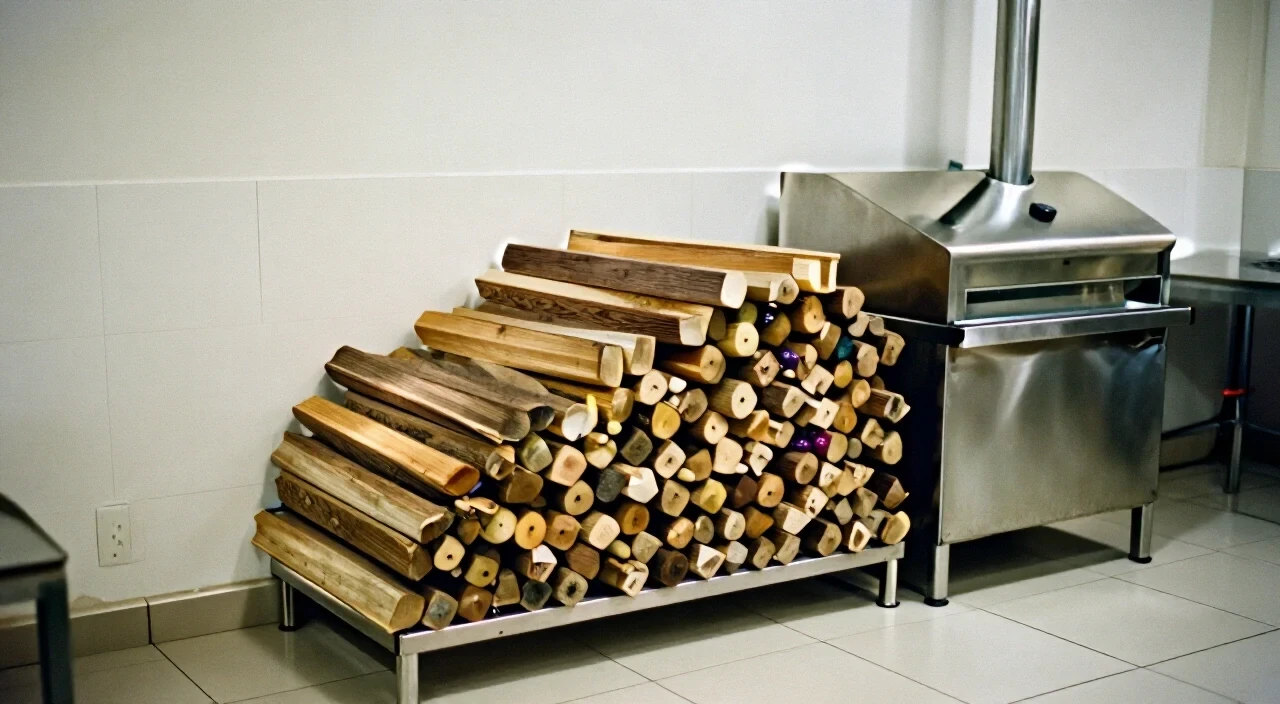
Choosing the right wood type determines flavor, safety, and compliance; dry, untreated hardwoods such as oak, beech, cherry, or apple give clean smoke, while softwoods and treated wood must be avoided, and local fire bans in Luxembourg and nearby Belgian areas must be checked before lighting.
Table of Contents
Key takeaways
- Use only dry, untreated hardwoods for clean smoke.
- Avoid softwoods, painted or treated wood.
- Check local fire bans before lighting.
- Store wood off the ground, covered, with airflow.
Which wood types are best for smoking meat?
Oak, hickory, cherry, and apple are the most versatile wood types for smoking meat, providing a balanced smoky profile without overwhelming the protein. They burn steadily, produce consistent heat, and are readily available in seasoned, kiln-dried form across Luxembourg for home and professional use.
Oak offers a deep, earthy aroma that pairs especially well with beef and lamb. Hickory adds a stronger, bacon-like note prized for ribs and pork shoulder. Cherry and apple contribute a mild, fruity sweetness that complements poultry and pork loin. All four wood types hold heat well, allowing a low-and-slow cook without frequent refueling.
When selecting wood, consider the following characteristics:
- Density: Denser woods burn longer and produce steadier heat.
- Moisture content: Aim for less than 20 % moisture; kiln-dried or air-cured logs meet this criterion.
- Flavor intensity: Stronger woods like hickory suit bold meats; milder fruitwoods suit delicate proteins.
- Availability: Local suppliers in Luxembourg often stock oak and beech, while fruitwoods may need to be ordered.
Common mistake: using damp wood, which creates excessive steam, douses the fire, and yields a bitter taste. Always let wood season for at least six months in a dry, ventilated area before the first use.
If unsure which wood to pair with a specific cut, start with a mild fruitwood and add a small amount of oak for depth. Professional kitchens often keep a mixed bundle to adjust flavor on the fly.
Is oak or beech better for grilling?
Oak offers a robust, earthy flavor that holds up to red meats, while beech gives a milder, slightly sweet smoke suitable for poultry and fish. For grilling, oak’s higher heat output makes it ideal for searing, whereas beech’s softer burn is better for gentle cooking.
Oak’s high density translates into a hotter, longer-lasting flame, which is perfect for achieving a charred crust on steaks or burgers. The wood’s natural tannins also impart a subtle bitterness that many grill enthusiasts appreciate. However, the intensity can mask delicate seasoning if used excessively.
Beech burns at a lower temperature and produces a fine, aromatic smoke. Its mild profile enhances the natural flavors of chicken, fish, and vegetables without competing with marinades. Because beech’s heat is less aggressive, it is often preferred for indirect grilling or slow-cook setups where temperature control is critical.
Practical checklist for choosing between oak and beech:
- Desired flavor: earthy and bold → oak; subtle and sweet → beech.
- Cooking method: high-heat sear → oak; indirect or low-heat → beech.
- Fuel availability: oak is more common in Luxembourg forests; beech may require ordering.
- Grill type: charcoal-based grills benefit from oak’s heat; gas-assisted smokers can use beech for nuanced smoke.
Mistake to avoid: mixing large oak chunks with beech twigs, which leads to uneven temperatures and unpredictable smoke. Keep the wood type uniform for a consistent grilling experience.
Can fruitwood be used safely in a smoker?
Fruitwoods such as apple, pear, and cherry can be used safely in a smoker; they are hardwoods that dry quickly, emit a subtle sweet aroma, and do not contain resins that cause excessive flare-ups. They work especially well with pork, poultry, and cheese.
Because fruit trees grow slower than typical hardwoods, their wood is naturally less dense, resulting in a gentle, even burn. The sugars in the wood caramelize at moderate temperatures, creating a sweet, almost buttery smoke that enhances the natural sweetness of pork ribs or smoked gouda. Cherry, in particular, adds a faint reddish hue to the meat’s surface, which many chefs find visually appealing.
Safety considerations are straightforward: ensure the fruitwood is fully seasoned (ideally kiln-dried) and free from any paint, nail heads, or chemical treatments. In Luxembourg, the fire regulations prohibit burning treated or contaminated wood, so only raw, natural fruitwood meets the legal criteria.
Steps to incorporate fruitwood effectively:
1. Pre-soak larger chunks for 10-15 minutes to reduce the chance of sudden sparks.
2. Combine with a denser hardwood (like oak) for steady heat while letting the fruitwood impart flavor.
3. Monitor temperature; fruitwood burns at 180-220 °C, suitable for low-and-slow smoking.
4. Dispose of ashes responsibly; let them cool completely before placing them in a metal container, as required by Luxembourg’s waste guidelines.
A common error is using fresh-cut fruitwood, which retains high moisture and produces a sour, acrid smoke. Always allow at least six months of seasoning in a dry, ventilated space.
What wood should never be used for cooking?
Never use softwoods (pine, spruce, fir), pressure-treated lumber, painted boards, or any wood that has been chemically treated, because they release toxic fumes, produce excessive soot, and may violate Luxembourg’s fire-safety regulations. They also create unpredictable heat and can damage grill grates.
Softwoods contain high levels of resin and sap, which ignite quickly and generate thick, oily smoke that imparts a bitter, resinous taste. When the resin burns, it can spit sparks that ignite surrounding vegetation, a serious concern during fire bans in the Belgian Province of Luxembourg.
Pressure-treated or painted wood often contains heavy metals, preservatives, and volatile organic compounds. When heated, these substances volatilize and can contaminate food, posing health risks. Luxembourg’s municipal guidelines explicitly forbid burning such materials in any open-flame device.
To stay compliant and safe, follow these practical steps:
- Inspect each piece before use; look for paint, nails, or signs of treatment.
- Prefer certified firewood sold for culinary purposes; many local suppliers label “smoking grade”.
- Check local fire alerts; temporary bans may prohibit any open-flame cooking in forested areas.
- Maintain a log of wood sources so you can verify compliance if needed.
The most frequent mistake is grabbing conveniently placed firewood from a garden or construction site without verifying its origin. Even seemingly natural branches can have been treated for pest control, making them unsuitable for cooking.
Store wood off the ground, under a breathable cover, and rotate stock so the oldest pieces burn first. Keep a fire extinguisher or sand bucket within arm’s reach when grilling outdoors, and let ashes cool completely before disposal as required by Luxembourg law.
Frequently asked questions
Are wood-fired barbecues allowed in Luxembourg?
Yes, they are permitted in designated outdoor areas as long as the wood is dry, untreated, and the fire is supervised. Local ordinances require an extinguishing method nearby and prohibit discarding hot embers in nature.
Is kiln-dried firewood safe for smoking?
Kiln-dried firewood meets the moisture-content threshold (<20 %) needed for clean combustion, eliminating excess steam and bitter flavors. Because the drying process removes contaminants, it complies with Luxembourg’s ban on treated or painted wood.
How should wood be stored to stay dry for grilling?
Place logs on a pallet or raised platform, cover them with a breathable tarp, and ensure good air circulation. Rotate the stack so older wood is used first, and keep the storage area away from direct ground moisture to maintain optimal dryness.