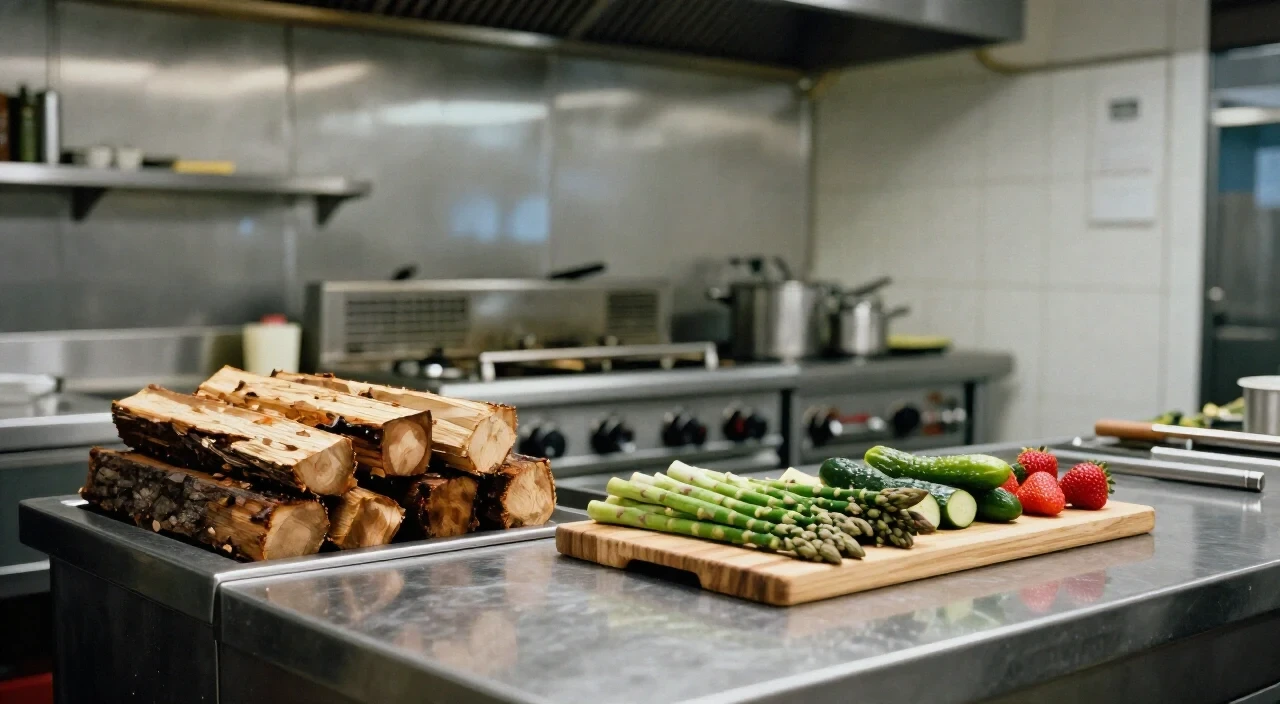
Spring recipes that shine on a wood-fire hearth combine Luxembourg’s early asparagus, fresh strawberries and crisp gherkins with the smoky intensity of seasoned oak, prepared on a stainless-steel grill and served at Brasa’s seasonal tasting menu. Each dish respects local food-hygiene rules and highlights the fleeting flavors of the season.
Key takeaways (in the article's language)
- Use locally-grown asparagus, gherkins and strawberries
- Grill on stainless-steel equipment to meet Luxembourg safety rules
- Choose seasoned oak or fruitwood for subtle smoke
- Control drips and embers to avoid flare-ups
What vegetables are in season in Luxembourg in spring?
In Luxembourg, spring brings early asparagus from April to May, tender gherkins appearing in May, and the first sweet strawberries such as Ciflorette and Gariguette. These items are listed on the regional seasonal calendar and are sourced by local markets and Brasa’s kitchen.
The seasonal calendar published by Luxembourg’s agriculture portal confirms asparagus as the flagship spring vegetable, with peak availability in April and May. Gherkins join the market in May, offering a crisp, slightly acidic bite that pairs well with smoked meats. Strawberries, especially the aromatic Ciflorette and Gariguette varieties, reach their prime in late May, making them ideal for light desserts or a finishing glaze.
At Brasa, the chef-owner selects the freshest batches each week, aligning the short menu with what growers deliver. This approach reduces transport time, preserves flavor, and supports Luxembourg’s small producers. When planning a home grill, check regional-seasonal.lu for market dates to guarantee true spring produce.
Common mistake: labeling imported, year-round asparagus as “local spring.” Always verify the calendar to ensure authenticity and to respect the seasonal concept that defines Brasa’s philosophy.
How do you grill asparagus over a wood fire?
Grilling asparagus on a wood fire requires a short, high-heat exposure to keep the spears crisp while adding smoky flavor. Coat the stalks lightly with oil, season with sea salt, and place them perpendicular to the flame on the stainless-steel grill.
First, trim the woody ends (about 2 cm) and rinse the spears. Pat dry, then drizzle with a thin layer of high-smoke-point oil such as grapeseed; excess oil creates flare-ups. Sprinkle sea salt and, if desired, a hint of cracked pepper. Arrange the spears across the grill bars so they rest above the embers, not directly on them.
Wood-fire heat at Brasa’s open hearth reaches 250–300 °C. Keep the grill lid slightly ajar to control airflow; this yields a gentle, even char in 3–5 minutes. Turn once halfway through to avoid uneven browning. The spears should be tender yet retain a slight snap.
Checklist:
- Use a stainless-steel grill as required by Luxembourg food-safety guidance.
- Pre-heat the hearth for at least 15 minutes before cooking.
- Monitor the fire; adjust wood placement to maintain steady temperature.
- Remove the asparagus promptly to prevent overcooking.
Mistake to avoid: letting the asparagus sit too long on the hot surface, which turns the delicate stalks mushy and destroys the fresh spring flavor.
What is the best wood for grilling spring vegetables?
Oak and fruitwoods such as apple or cherry are ideal for spring vegetables because they burn steadily and impart a subtle, sweet aroma that complements delicate produce. Choose seasoned wood that has been dried for at least six months to avoid excess smoke.
Oak provides a consistent, medium-intense heat that creates a thin, golden crust on vegetables without overwhelming their natural sweetness. Fruitwoods introduce nuanced notes—apple adds a faint crispness, while cherry contributes a gentle reddish hue and a faint hint of caramel.
At Brasa, the hearth is fueled primarily with seasoned oak, supplemented by occasional apple logs during the spring menu to highlight the freshness of asparagus and strawberries. The wood is stored in a dry loft to guarantee low moisture content, which prevents sudden flare-ups and the formation of polycyclic aromatic hydrocarbons.
When selecting wood for home grilling, inspect the logs for cracks, mold, or resin. Avoid softwoods like pine, which produce excessive sap and can create harmful smoke. If the fire is too vigorous, spread the logs thinner or add a layer of sand to moderate temperature.
Common error: using freshly cut (“green”) wood. It releases water vapor, lowers flame temperature, and produces a bitter taste. Always allow wood to season for half a year before lighting the hearth.
Can you barbecue outdoors in Luxembourg and stay safe?
Barbecuing outdoors in Luxembourg is allowed provided it takes place in designated areas, uses a stainless-steel grill, and follows food-hygiene rules such as HACCP training for staff and proper ember extinguishing. The authorities also advise keeping a fire extinguisher nearby.
Municipal regulations require that any public barbecue be set up in a location approved for open flames, often municipal parks or private courtyards with fire-resistant surfaces. The grill must be made of stainless steel to meet the national food-safety guidance, which helps prevent corrosion and contamination.
All staff involved in special events must hold a food-hygiene or HACCP certificate. This training covers temperature control, cross-contamination prevention, and the handling of raw and cooked items. During service, food is kept covered until it reaches the serving point, eliminating public handling.
Ember management is critical during periods of elevated vegetation-fire risk. Keep a bucket of water, sand, or a portable fire extinguisher within arm’s reach. After cooking, spread the embers on a metal sheet, sprinkle sand, and allow them to cool completely before disposal.
Typical mistake: discarding hot embers in regular trash. This not only violates local fire safety rules but also creates a fire hazard. Follow the municipality’s disposal instructions, usually a designated ash collection container.
For private dining at Brasa, the chef’s counter includes a private hearth, ensuring that all safety protocols are internally managed while offering guests an intimate wood-fire experience.
Never let fat drip directly onto the embers; use a drip tray or place the food on a raised grate to prevent flare-ups and the formation of harmful smoke.
Frequently asked questions (in the article's language)
What spring ingredients pair well with grilled fish or lamb?
Asparagus, thinly sliced gherkins and lightly sweetened strawberries complement the mild flavor of grilled fish, while lamb benefits from the earthiness of oak-smoked asparagus and the bright acidity of a strawberry-balsamic glaze.
How long does a wood-fire tasting menu take?
Brasa’s six-course tasting menu typically spans 90 to 110 minutes, allowing each wood-fire prepared plate to be served at its optimal temperature while giving diners space to savour the seasonal flavors.
Do I need a reservation for Brasa’s chef’s counter?
Reservations are strongly recommended for the chef’s counter, as the intimate setting accommodates up to twelve guests and the open hearth requires precise timing for each course.