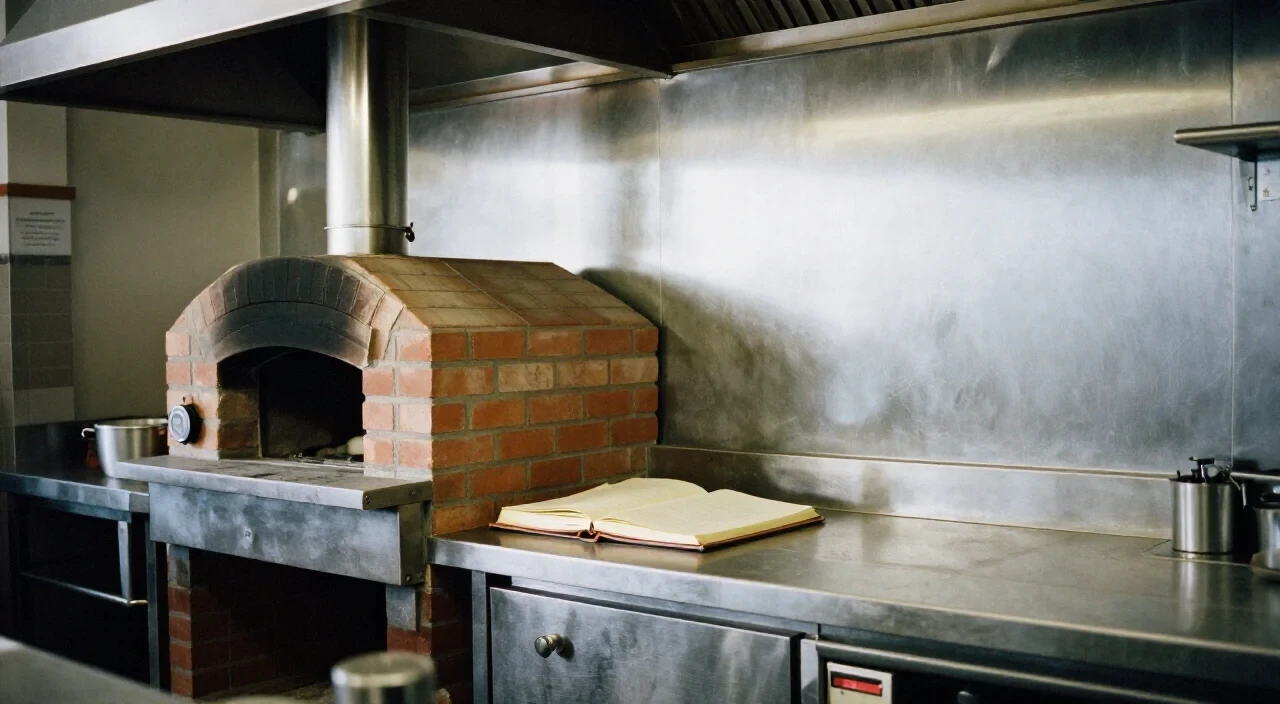
Food safety when cooking with wood-fire means controlling fire-related hazards, preventing cross-contamination, and meeting Luxembourg’s hygiene regulations. At Brasa, the open hearth is monitored through rigorous temperature recording, and HACCP procedures are documented to protect guests from illness and PAH exposure.
Is wood-fire cooking safe for restaurants?
Yes, wood-fire cooking can be safe for restaurants if fire management, temperature control, and hygiene protocols follow Luxembourg’s food-safety legislation. Brasa registers with MyGuichet.lu, applies Regulation (EC) 852/2004 Annex II rules, and integrates HACCP checks to keep the open hearth free of contamination.
Safety begins with registration. Every food-sector business in Luxembourg must appear in the MyGuichet.lu portal, proving that the establishment is known to the Food Safety Unit. Brasa completed this step before opening its doors at 12 Rue du Feu.
Next, the restaurant adopts the hygiene requirements of Annex II, which cover premises, equipment, and staff practices. The open hearth is considered a food-contact surface; it is cleaned daily, and a log records cleaning times, temperature checks, and any deviations.
A documented HACCP plan is mandatory. Brasa identified fire-related hazards—such as incomplete combustion producing PAHs, and flare-ups that can drip fat onto flames—set critical limits (e.g., maximum surface temperature, PAH thresholds), and defined monitoring actions. When a limit is breached, corrective steps (adjusting wood load, cleaning the drip tray) are recorded immediately.
Regular verification by the National Health Directorate’s Food Safety Unit ensures compliance. Inspectors review the HACCP documentation, observe the hearth operation, and verify that the restaurant follows the 2026 Food Act’s control system. Non-compliance can lead to sanctions, so Brasa treats each audit as a chance to fine-tune its safety culture.
How can I prevent PAH contamination when using a wood fire?
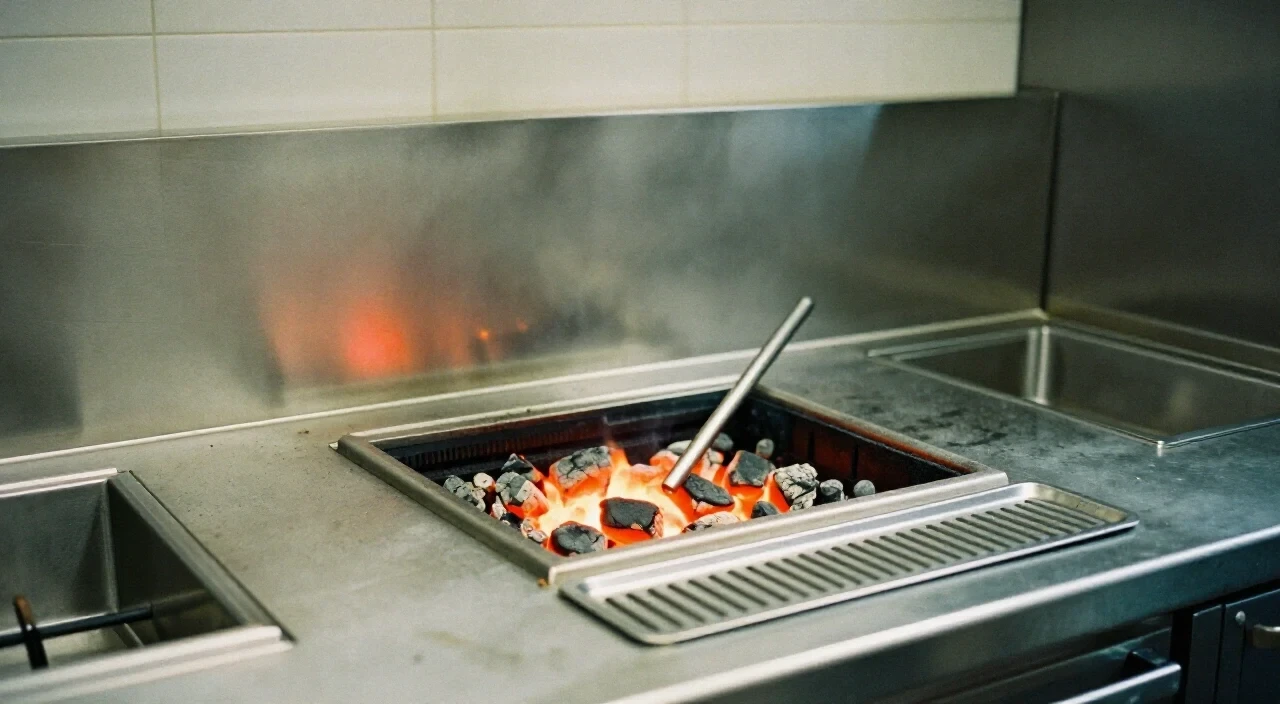
Preventing PAH contamination starts with complete wood combustion, controlling flare-ups, and avoiding direct fat contact with flames. At Brasa the hearth is fed with seasoned hardwood, excess fat is trimmed, and a drip tray collects runoff before it can generate smoky PAHs.
Incomplete combustion releases polycyclic aromatic hydrocarbons, which EU Regulation 2023/915 caps for certain foods. Using dry, well-seasoned hardwood ensures the fire burns hotter and cleaner, reducing PAH formation. Brasa stores its wood in a covered area to keep moisture low.
Fat drip management is crucial. When fat falls onto open flames, it vaporises and creates thick smoke that settles on the food surface. Brasa trims visible fat from meats, positions cuts away from direct flame, and installs a metal drip tray beneath the grill. The tray is emptied after each service, preventing buildup.
Ventilation also matters. The kitchen’s extraction system is calibrated to keep smoke levels below the thresholds set by the Food Safety Unit, ensuring that lingering PAHs do not settle on nearby dishes.
Finally, regular monitoring of surface temperature and visual inspection for charring help staff decide when to move food away from the hottest zones. If a piece shows excessive blackening, it is finished on a cooler part of the hearth to keep PAH exposure low.
Incomplete combustion releases polycyclic aromatic hydrocarbons, which EU Regulation 2023/915 caps for certain foods.
What HACCP steps are required for a wood-fire restaurant in Luxembourg?
A wood-fire restaurant in Luxembourg must hold a documented HACCP plan that identifies fire-related hazards, sets critical limits for temperature and PAH levels, and defines monitoring and corrective actions. Brasa’s plan includes daily logbooks, staff training, and quarterly verification by the Food Safety Unit.
Step 1: Hazard analysis. The team lists all potential risks, from microbial growth on raw meat to chemical hazards like PAHs produced by incomplete combustion. Each hazard receives a risk rating that guides the next steps.
Step 2: Define critical control points (CCPs). For Brasa, the main CCPs are (a) wood moisture content, (b) hearth surface temperature, and (c) drip-tray cleanliness. Each CCP has a measurable limit—for example, wood must be below 20 % moisture, and surface temperature must stay between 180 °C and 250 °C.
Step 3: Establish monitoring procedures. Staff use a calibrated infrared thermometer for surface temperature, a moisture meter for wood, and a visual checklist for drip-tray residue. Records are entered into a digital log after each service.
Step 4: Set corrective actions. If the wood moisture exceeds the limit, the batch is swapped for drier stock. If temperature spikes, the fire is reduced and the grill zone is cooled before serving resumes.
Step 5: Verification. Every three months the Food Safety Unit conducts an audit, reviewing the HACCP documents, observing monitoring in real time, and testing sample food for PAH levels. Brasa also runs internal audits to ensure continuous compliance.
Step 6: Documentation and training. All staff complete a HACCP refresher course offered by the Chambre des Métiers, and the restaurant keeps certificates on file as required by the 2026 Food Act.
What internal temperature must meat reach on a wood fire to be safe?
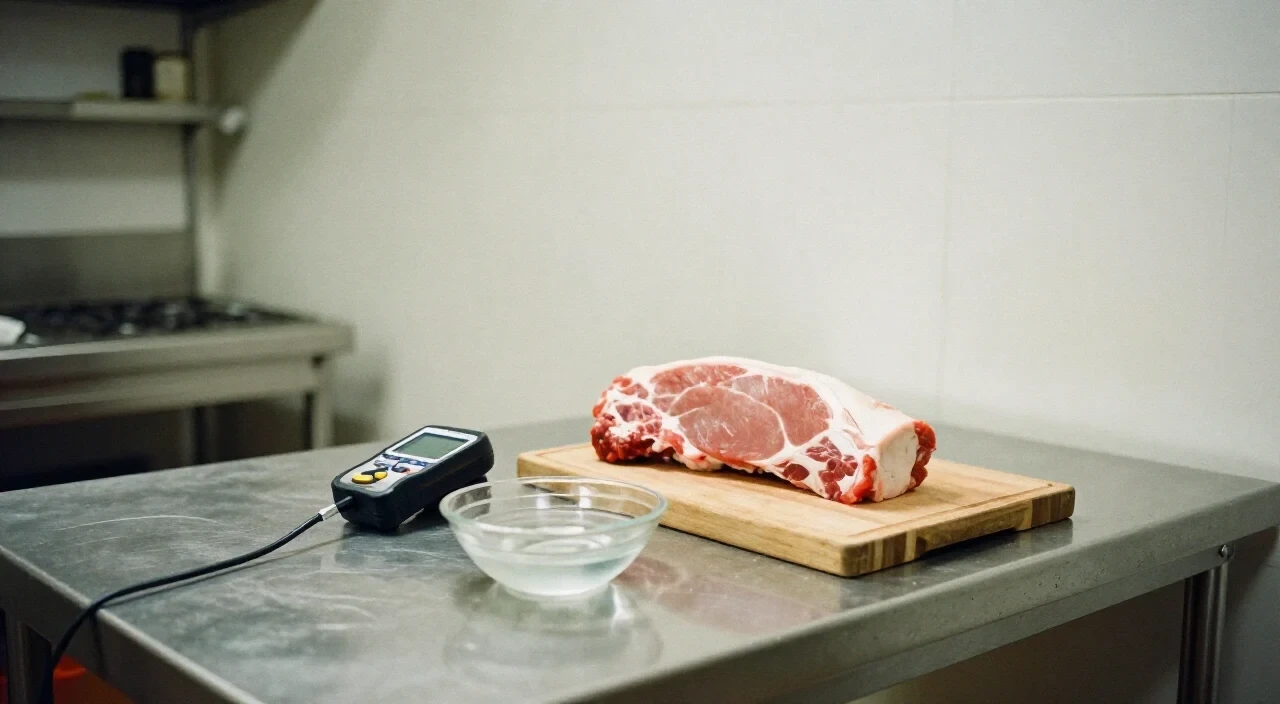
Meat cooked over a wood fire must reach the internal temperature required for its type to destroy pathogens; for beef, lamb, and pork, that is at least 63 °C (145 °F) with a three-minute rest, while poultry requires 74 °C (165 °F). Brasa uses probe thermometers at the hearth.
The temperature rule follows EU food-safety standards, which Luxembourg adopts without amendment. After searing on the open hearth, each portion is inserted with a calibrated probe. The reading is taken at the thickest point, avoiding bone, to ensure the core temperature meets the limit.
Rest time matters. For red meat, a three-minute rest allows residual heat to finish the kill, while also letting juices redistribute. Brasa’s kitchen timers automatically start the rest countdown once the target temperature is logged.
If a piece falls short, staff return it to a cooler zone of the hearth or finish it in a conventional oven to avoid over-charred surfaces that could increase PAHs.
Regular calibration of thermometers is part of Brasa’s HACCP verification. The Food Safety Unit inspects the calibration records during its quarterly visits, confirming that the devices remain within the allowed ±0.5 °C tolerance.
Always place a metal shield or drip tray under the grill; it catches fat, stops flare-ups, reduces PAH formation, and makes daily cleaning of the firebox faster and safer.
Key takeaways (in the article's language)
- Register with MyGuichet.lu and follow Regulation (EC) 852/2004 Annex II.
- Implement a HACCP plan that covers fire-related hazards and PAH limits.
- Use seasoned hardwood, trim excess fat, and collect drips to avoid PAH buildup.
- Monitor internal meat temperatures with calibrated probes and respect rest times.
Frequently asked questions (in the article's language)
Is a wood-fire grill considered a high-risk food-contact surface?
Yes. Because the grill can harbor residues and generate PAHs, it must be included in the HACCP plan, cleaned daily, and monitored for temperature and contamination.
Do I need a separate HACCP plan for the open hearth?
A single HACCP plan can cover the whole operation, but it must contain specific CCPs for the hearth, such as wood moisture, surface temperature, and drip-tray cleanliness.
Can I serve raw-style charred dishes and still meet EU PAH limits?
Only if the char level stays below the threshold defined in Regulation 2023/915. Brasa limits charring by moving food to cooler zones and finishing overly blackened pieces in a conventional oven.