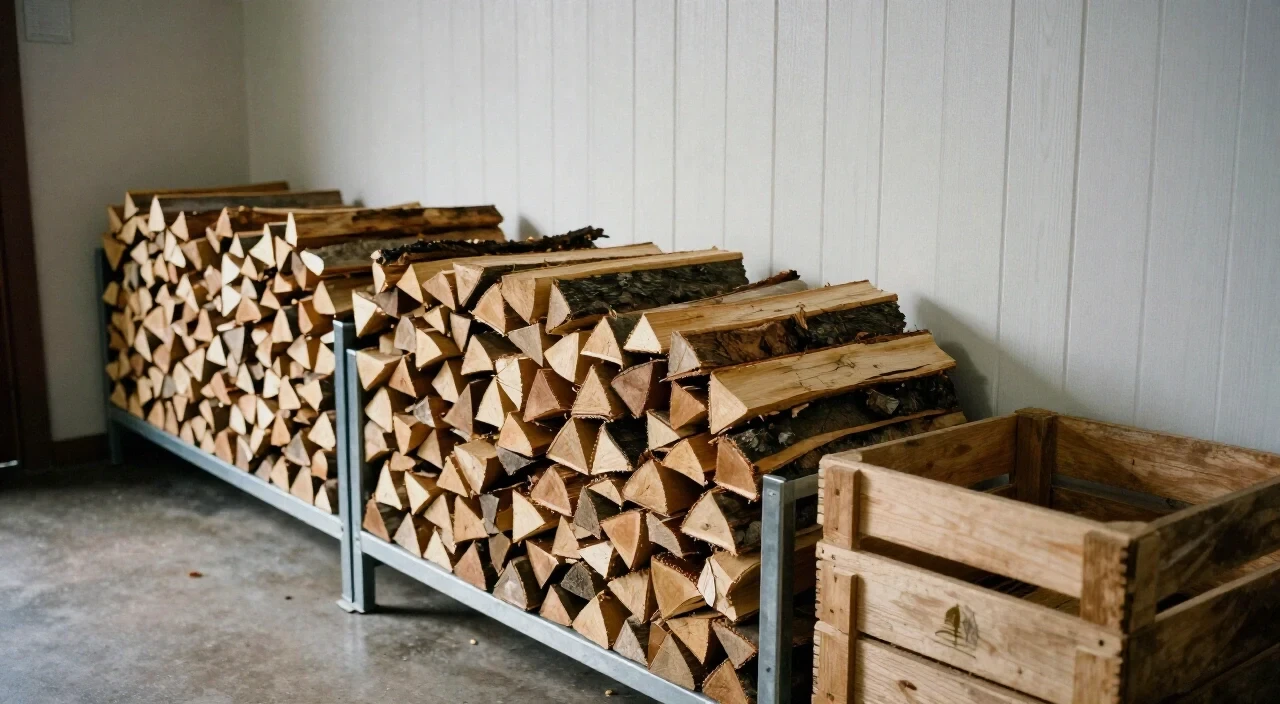
Sustainable wood sourcing means choosing firewood or charcoal that is legally harvested, traceable, and low-impact, while meeting EU timber rules and future deforestation regulations. For restaurants, it safeguards the supply chain, reduces environmental impact, and builds credible sustainability claims.
Table of Contents
Key takeaways
- Legal traceability is required by EU timber rules.
- Local firewood is not automatically sustainable.
- FSC/PEFC certification supports but does not replace due-diligence.
- Documentation must include species, origin, supplier and batch details.
What is sustainable wood sourcing for a restaurant?
Sustainable wood sourcing ensures that every piece of firewood or charcoal used in the kitchen comes from a legal, documented harvest and has a minimal impact on forests. It combines traceability, compliance with EU regulations, and genuine environmental benefit.
The process starts with selecting suppliers that can provide full due-diligence data: species, country of harvest, volume, and proof of legal compliance. Restaurants should request a written statement confirming the wood meets the EU Timber Regulation (EUTR) and, after December 2026, the EU Deforestation Regulation (EUDR).
Common pitfalls include assuming “local” equals sustainable, or relying solely on FSC or PEFC labels. While those certifications indicate responsible forest management, they do not replace the legal traceability required by EU law. A robust internal checklist helps avoid misleading claims.
- Verify supplier can trace wood back to the forest.
- Ask for a due-diligence statement or reference number.
- Cross-check species and harvest dates against the EU ban list.
- Keep records for at least five years for inspections.
When in doubt, consult Luxembourg’s Nature Conservation Agency for guidance on documentation standards.
How does Luxembourg law affect wood fuel purchases?
In Luxembourg, the Nature Conservation Agency enforces EU timber rules, requiring restaurants to prevent illegally harvested wood from entering their supply chain and to keep detailed traceability records. Non-compliance can lead to fines and damage to brand reputation.
Operators must collect and store information on species, harvest country, quantity, supplier name, and legal-compliance certificates for each batch of firewood or charcoal. This data must be readily available for inspections by the competent authority.
The current EUTR applies to both EU-produced and imported wood, including charcoal. Starting 30 December 2026, the EUDR expands requirements to cover deforestation risk. Small operators have a grace period until 30 June 2027, but documentation must still be in place.
Mistakes to avoid:
- Purchasing wood without batch numbers or origin details.
- Assuming that “natural” or “eco-friendly” labels satisfy legal obligations.
- Ignoring charcoal, which is explicitly covered by both regulations.
Restaurants should create a supplier-assessment file that includes:
- Supplier’s legal registration.
- Copies of any FSC/PEFC certificates (as supporting evidence).
- The due-diligence statement required by the EUTR/EUDR.
Regular audits of this file keep restaurant practices aligned with Luxembourg’s enforcement expectations.
Which wood products meet EU Deforestation Regulation requirements?
The EU Deforestation Regulation covers solid wood, wood chips, pellets, and charcoal that were harvested after 31 December 2020. Products must be demonstrably free from links to deforestation or forest degradation to be eligible for use in restaurants.
To qualify, a wood product must be accompanied by verifiable data showing its supply chain complies with the regulation. This includes a geographic location of the forest, the exact harvest date, and a reference number that can be cross-checked in the EU’s deforestation database.
Certified timber (FSC or PEFC) can be part of the evidence package, but the certification alone does not guarantee EUDR compliance. Restaurants should request the specific EUDR reference number from suppliers and confirm that the wood was harvested after the cutoff date.
Practical steps:
- Ask suppliers for a “deforestation-free” statement that cites the EU database entry.
- Prioritise firewood sourced from managed forests with a documented harvest plan.
- For charcoal, verify that the feedstock (wood chips or logs) meets the same traceability standards.
- Keep a log of each product’s batch number, origin, and compliance documentation.
By following these steps, a restaurant can confidently claim its wood fuel meets the upcoming EU deforestation standards, reducing legal risk and reinforcing its environmental story.
What documentation should a restaurant keep to prove compliance?
A restaurant must retain a complete paper or digital trail for every wood-fuel purchase, showing that the product complies with both the EUTR and the future EUDR. This documentation proves legal sourcing and supports any sustainability claims made to customers.
The essential documents are:
- Supplier invoice with product description and batch number.
- Due-diligence statement or EUDR reference number.
- Any FSC/PEFC certificates (as supplementary proof).
- Harvest country and species details.
- Internal receipt confirming receipt and storage conditions.
These records should be organized by supplier and date, and stored for at least five years, matching the retention period required by Luxembourg authorities. Digital storage is acceptable if the files are immutable and can be produced on request.
Common errors include mixing records from different suppliers, omitting batch numbers, or failing to update the file after the EUDR becomes mandatory. A simple spreadsheet or dedicated compliance software can automate reminders for record updates and expiry dates.
When a customer asks about “sustainably sourced” wood, the restaurant can present the relevant documents, demonstrating transparency and building trust.
Tip: Before signing any wood-fuel contract, request a sample of the supplier’s due-diligence statement and verify the reference number in the EU deforestation database. This quick check prevents future compliance gaps and protects your restaurant’s reputation.
Frequently asked questions
What is the most sustainable wood for a restaurant?
The most sustainable choice is legally harvested, certified wood from managed forests, with full traceability and a documented harvest date after 31 December 2020. Local sources are fine if they meet these criteria.
Is local firewood better than certified imported wood?
Local firewood is not automatically sustainable; it must still comply with EU traceability rules. Certified imported wood can be equally sustainable if the supplier provides the required due-diligence documentation and EUDR reference.
When must small restaurants comply with the EUDR?
All operators covered by the EUTR must be ready by 30 December 2026. Micro and small restaurants receive an additional grace period until 30 June 2027, but they should already have the documentation framework in place.