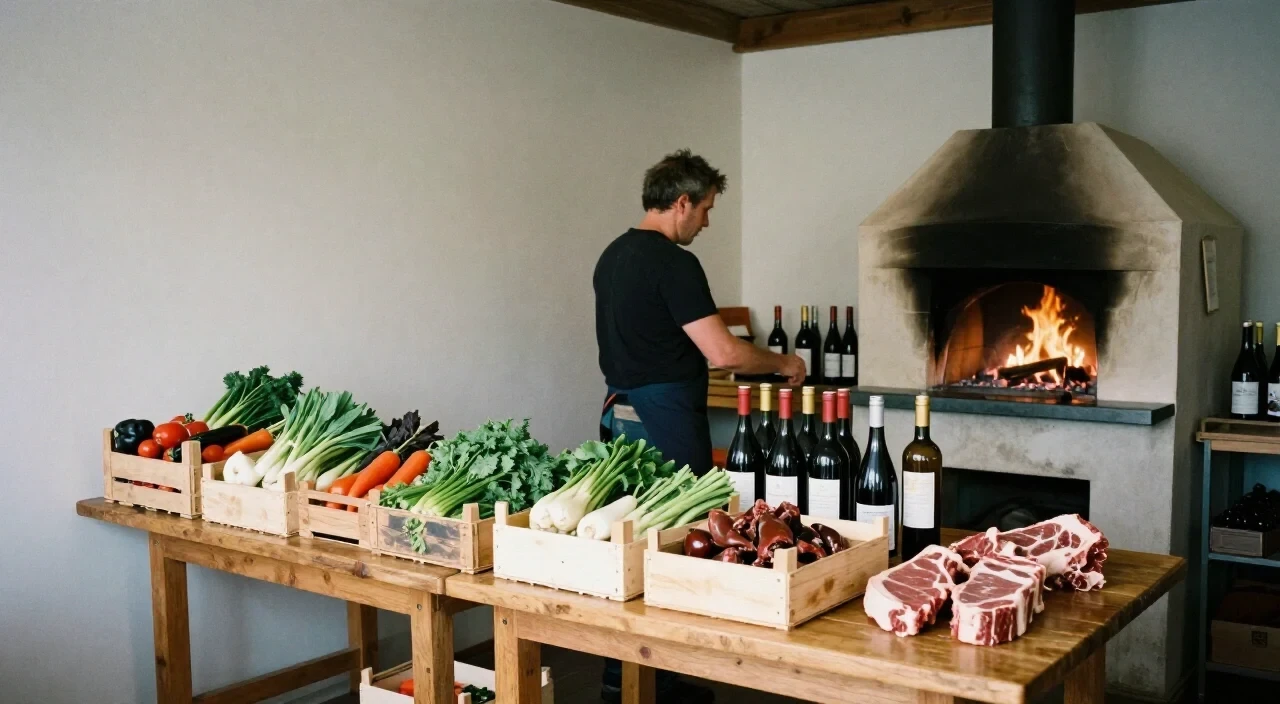
Brasa supports local farmers by purchasing meat, dairy and seasonal vegetables directly from Luxembourgish producers, aligning its short, market-driven menu with the harvest calendar, and featuring wines from small regional growers; this creates short supply chains, reinforces the “Sou schmaacht Lëtzebuerg” initiative, and adds traceability for diners.
Table of Contents
Key takeaways
- Brasa purchases meat, dairy and vegetables from Luxembourgish farms
- Menu follows seasonal harvests, changing with market availability
- Partnerships are verified through invoices, certifications and the 2026 food-safety law
- Support aligns with the “Sou schmaacht Lëtzebuerg” campaign
Does Brasa buy meat from Luxembourgish farmers?
Yes, Brasa sources its beef, pork and lamb from Luxembourgish livestock farms that meet the country's organic and grass-fed standards, ensuring the meat is locally raised and complies with the 2 April 2026 food-safety law.
The chef works closely with each farm to receive weekly deliveries that match the planned dishes. Producers provide proof of organic certification and animal welfare audits, which Brasa records alongside invoices. By keeping the supply chain under one hour’s drive, the restaurant reduces transport emissions and guarantees freshness for the wood-fire grill. Seasonal cuts are highlighted on the tasting menu, letting diners see exactly which farm supplied each portion.
Because Luxembourg imports over 95 % of its vegetables, focusing on locally raised meat makes a noticeable impact on the regional economy. Brasa also participates in the Naturlëtz network, which facilitates short-term contracts and transparent pricing. When a farm cannot meet volume needs for a busy Saturday service, Brasa may blend meat from two neighboring producers, always keeping the origin label clear for the guest. This practice avoids the common mistake of using the term “local” without naming the source, and it aligns with the restaurant’s commitment to traceability.
Which local farmers and producers supply Brasa?
Brasa’s ingredient list is built around a small, trusted circle of Luxembourgish growers—including organic vegetable growers in the Naturlëtz network, dairy farms delivering fresh milk and cheese, and small-scale vintners who provide the wine list.
Brasa’s ingredient list is built around a small, trusted circle of Luxembourgish growers. Organic vegetable growers who are members of the Naturlëtz network supply carrots, beetroot, kale and other greens that appear on the menu when they reach peak ripeness. Local dairy farms deliver fresh milk, butter and a selection of artisanal cheeses, which the chef uses in both the tasting and chef’s-counter courses. Small-scale vintners from the Moselle valley provide the wine list, emphasizing producers who practice sustainable viticulture. Each supplier signs a contract that references the 26 April 2022 agricultural control law, and Brasa keeps a digital log of certifications, delivery notes and batch numbers. This documentation satisfies Luxembourg’s rigorous food-safety framework and allows the restaurant to quickly substitute an ingredient if a harvest is delayed. By naming the producer on the menu board, Brasa avoids the pitfall of vague “regional” claims and gives diners confidence in the provenance of every bite.
How does Brasa handle seasonal gaps in local vegetable supply?
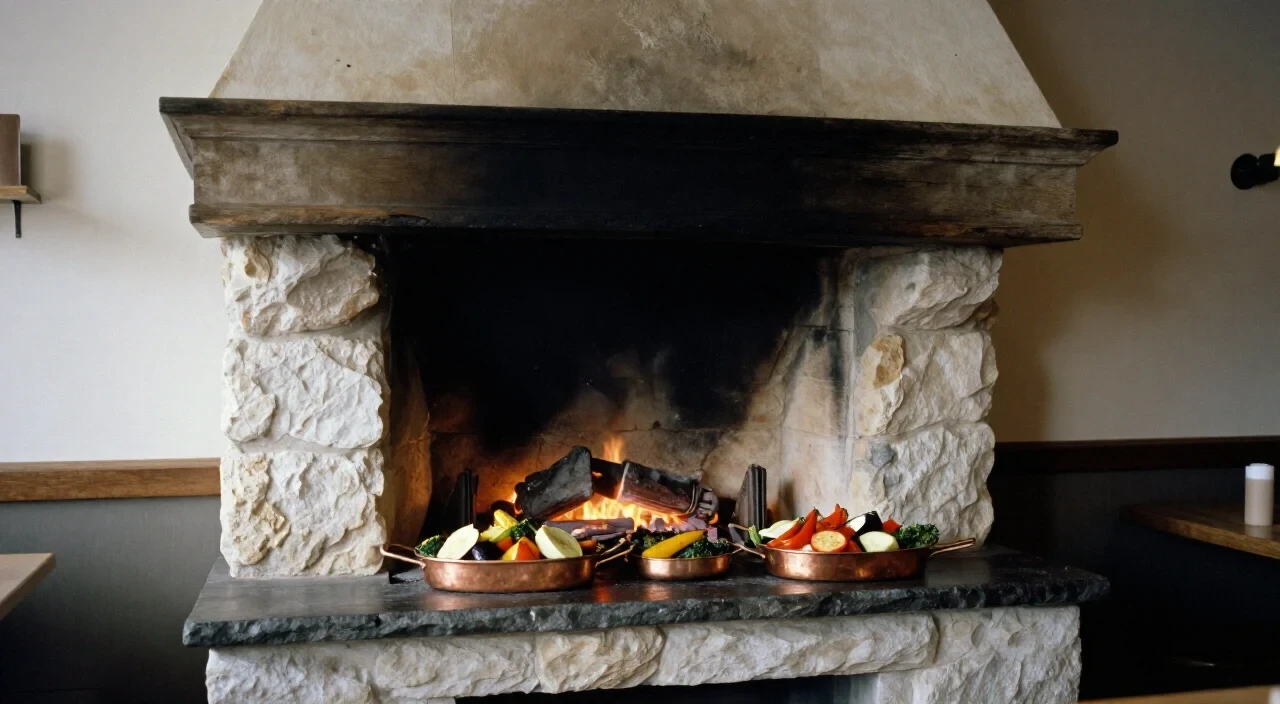
When a seasonal vegetable is out of harvest, Brasa adjusts the menu to feature another locally grown product, uses the regional seasonal calendar to plan substitutions, and, if needed, sources from nearby organic farms that can deliver within the same day, preserving the local focus.
Brasa’s menu is intentionally short, changing almost weekly to reflect what is currently in season. The chef consults the official Luxembourg regional-and-seasonal calendar each morning to identify which vegetables are at their prime. If a sought-after item, such as early spring asparagus, is unavailable due to weather, the kitchen pivots to a comparable local product—e.g., young beet greens or locally grown radishes. Because the restaurant’s supply chain is built on short, direct deliveries, the chef can request a specific variety from a nearby farm and receive it within the same day, keeping the menu truly local. When a gap cannot be filled by any local grower, Brasa may temporarily incorporate a certified organic import, but this is always marked on the menu to maintain transparency. This approach prevents the common mistake of promising year-round availability of a seasonal crop and demonstrates how a disciplined, seasonal strategy can still meet guest expectations.
Always verify that any local supplier holds up-to-date organic or quality certificates and that their products comply with Luxembourg’s 2 April 2026 food-contact material regulations.
What steps can other restaurants take to support local producers?
Restaurants can start by mapping nearby farms, joining the “Sou schmaacht Lëtzebuerg” campaign, building a seasonal ingredient calendar, establishing transparent purchase records, and offering a concise menu that reflects what local growers have at hand.
Restaurants that want to emulate Brasa’s model should start with a clear mapping of producers within a 50-kilometre radius. Joining the “Sou schmaacht Lëtzebuerg” campaign provides a vetted list of participating farms and access to promotional materials. Next, create a seasonal ingredient calendar using Luxembourg’s online platform, which outlines harvest windows for vegetables, fruit, meat and dairy. Establish written agreements that reference the 26 April 2022 law and request copies of organic or quality certifications. Keep all purchase records—invoice, batch number, delivery date—in a digital folder for easy audit and for communicating provenance to guests. Design a concise menu that can be adjusted in real time; a short menu reduces waste and makes it feasible to source only what is locally available. Finally, train staff to explain the origin of each dish, turning transparency into a storytelling advantage rather than a marketing gimmick.
Frequently asked questions
Does Brasa’s meat come from organic farms?
Yes. All meat served at Brasa is sourced from Luxembourgish farms that hold current organic certification and meet the country’s grass-fed standards, with documentation checked against the 2 April 2026 food-safety regulations.
Can diners see which farms supply the menu?
Brasa lists the name of each producer next to the relevant dish on both the tasting-menu board and the chef’s-counter menu, giving guests clear insight into the origin of every ingredient.
Is locally sourced food automatically more sustainable in Luxembourg?
Local sourcing reduces transport distance, but sustainability also depends on production methods. Brasa therefore partners only with farms that practice organic or low-impact agriculture, ensuring that “local” also means environmentally responsible.