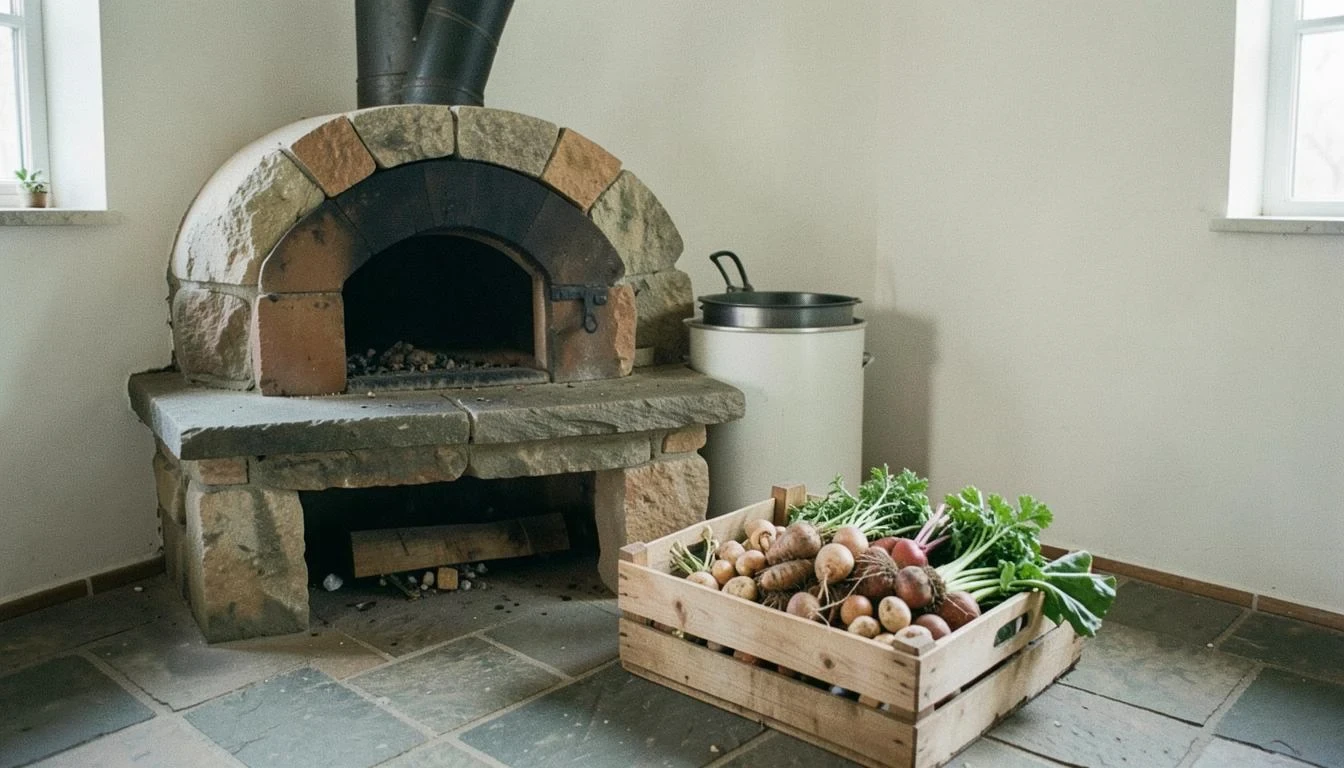
Luxembourg local produce offers a distinct seasonal rhythm that shapes a restaurant's menu. At Brasa, our wood-fire cooking highlights these seasonal ingredients by sourcing from nearby farms. This farm-to-table approach ensures peak flavor, supports regional agriculture, and defines the authentic taste of a meal in Luxembourg.
Table of Contents
Key takeaways
- Luxembourg's seasons dictate a tight, rotating produce calendar.
- Wood-fire cooking intensifies the natural flavors of fresh, local ingredients.
- Sourcing directly from farms requires flexible menu planning.
- The farm-to-table cycle here is short, often within a day's drive.
- Seasonal menus celebrate specific harvests, like spring asparagus or autumn game.
What defines Luxembourg's seasonal produce calendar?
Luxembourg's seasonal produce calendar is defined by a temperate climate with distinct transitions. Spring brings tender greens and white asparagus. Summer offers stone fruits, berries, and a wide variety of vegetables. Autumn is for root vegetables, mushrooms, and game. Winter relies on hardy storage crops like cabbages, potatoes, and leeks.
The calendar is not just about weather. It is also shaped by local agricultural traditions and the small scale of many farms. Certain items, like the celebrated white asparagus, have a very brief season that lasts only a few weeks. This creates urgency for chefs and diners alike. The availability windows are specific. For instance, wild chanterelles from local forests might only be plentiful after the right amount of autumn rain. A professional kitchen must build relationships with multiple suppliers to navigate this ebb and flow. The key is anticipating what will be abundant next week, not just what is available today.
- Spring (Apr-Jun): White asparagus, rhubarb, spinach, radishes, wild garlic.
- Summer (Jul-Sep): Cherries, plums, tomatoes, zucchini, peppers, beans.
- Autumn (Oct-Dec): Pumpkins, apples, pears, walnuts, mushrooms, venison.
- Winter (Jan-Mar): Kale, Brussels sprouts, parsnips, celery root, stored apples.
A wood-fire grill acts as an amplifier for fresh ingredients. The intense, direct heat caramelizes natural sugars, creating a complex char and smoky depth. This method suits the robust profile of many local seasonal ingredients, from autumn squash to summer peppers, without masking their essential character.
The process starts with selecting produce at its peak. A ripe tomato or a freshly dug potato has higher sugar and moisture content, which reacts beautifully to the flames. The cooking technique is then adapted to the ingredient. Denser vegetables like beetroot or celeriac benefit from slower roasting in the oven's residual heat, while asparagus or peach halves need a brief, direct sear. The wood type also influences the final flavor; fruit woods like apple or cherry offer a milder, sweeter smoke that complements rather than overwhelms. The goal is to create a harmony where the smoke and char frame the ingredient's innate flavor, resulting in a dish that tastes distinctly of both the fire and the farm.
How does a farm-to-table approach work in a Luxembourg restaurant?
A farm-to-table approach in a Luxembourg restaurant involves direct sourcing from producers within a short supply chain. This means the kitchen communicates regularly with local farms, often ordering specific varieties and receiving deliveries multiple times a week based on what is being harvested.
The system requires flexibility. A menu item might be listed as "market greens" or "seasonal mushrooms" because the exact variety available can change overnight. Chefs visit markets and farms to see products firsthand, building trust and ensuring quality standards. The distance from farm to kitchen can be remarkably short, sometimes within the same day, which preserves freshness and nutrient density. This model contrasts with relying on large distributors who source internationally. The benefits are profound: ingredients taste more vibrant, waste is reduced by using what is truly in season, and the local economy is supported. For a restaurant, it means the menu is a living document that reflects the current reality of the fields and orchards nearby.
When evaluating a restaurant's commitment to local produce, look for menu descriptions that name specific farms or use generic seasonal terms like 'autumn squash' rather than out-of-season items like 'asparagus' in December.
What should I expect from a seasonal menu in Luxembourg?
Expect a seasonal menu in Luxembourg to change several times a year, highlighting ingredients at their absolute peak. Dishes will reflect the time of year, offering lighter, herb-forward plates in spring and summer, and richer, heartier preparations in autumn and winter.
The experience is one of immediacy and locality. A spring menu might feature a delicate salad of the first lamb's lettuce and radishes, while a late summer dessert could showcase a plum tart. In autumn, braised meats with root vegetables and wild mushrooms become central. Winter menus utilize preservation methods like fermenting, pickling, or using stored produce from the late harvest. This rhythm connects the dining experience directly to the regional landscape. It also means that a favorite dish one month may not be available the next, replaced by something new that captures the next season's bounty. For the diner, this offers a reason to return and a genuine taste of place that is impossible to replicate with imported ingredients.
Frequently asked questions
Is 'local' produce in Luxembourg available year-round?
No. True local produce follows a strict seasonal cycle. Winter offers storage crops and greenhouse greens, but the abundance and variety peak from late spring through autumn. Menus adapt to this natural rhythm.
How can I identify restaurants using local seasonal ingredients?
Menus that change frequently and list specific farms or regions are strong indicators. Also, look for dishes built around what is harvesting now, like strawberry desserts in June or game dishes in October.
Does a wood-fire grill work with delicate seasonal produce?
Absolutely. Technique is adjusted. Delicate items like soft herbs or ripe fruit are added at the end or cooked quickly over high heat. The fire can also be used for roasting or smoking at lower temperatures.
Why is farm-to-table often associated with higher menu prices?
Small-scale local farming has different economics than industrial agriculture. Costs reflect sustainable practices, manual labor, and the premium for ultra-fresh, specialized varieties, which justifies the value on the plate.