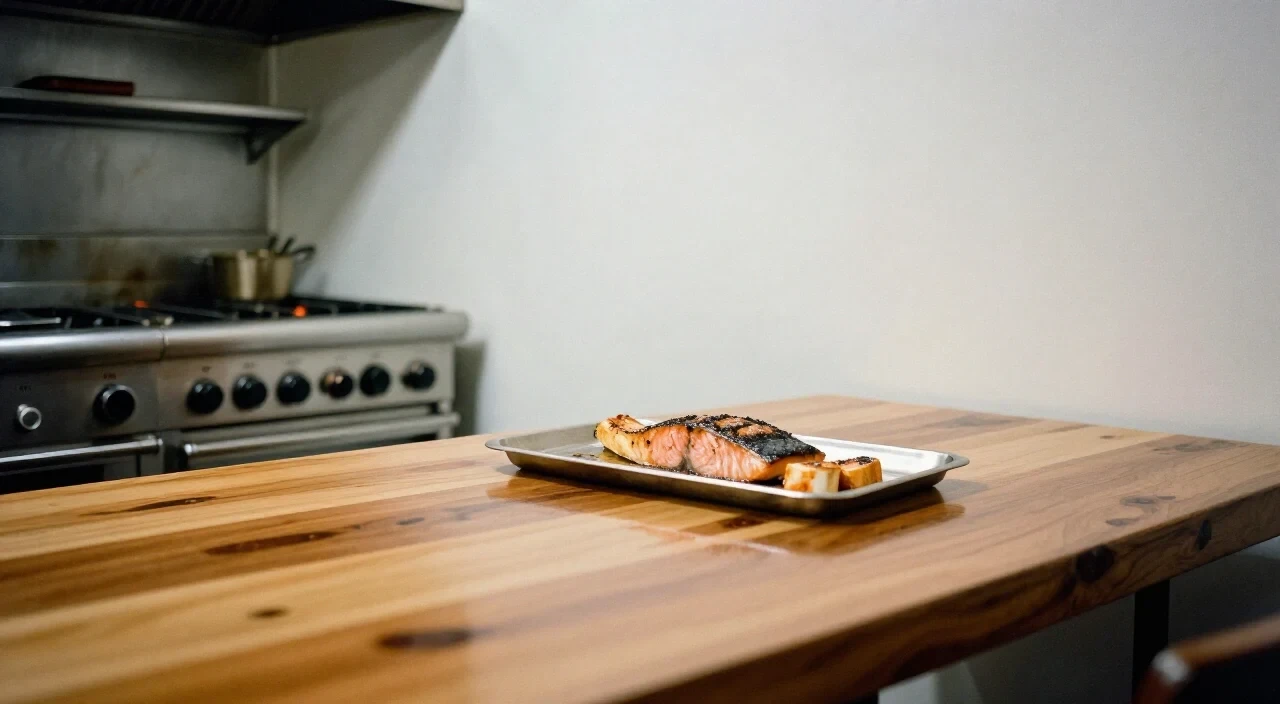
Brasa’s menu guide shows exactly which items are cooked over a wood fire, highlights vegetarian and plant-based grilled choices, and explains how Luxembourg’s allergen rules ensure each dish lists the 14 regulated allergens, helping diners pick safe, satisfying options.
Table of Contents
Key takeaways
- Only items labeled ‘Wood-Fire Grilled’ receive direct grill smoke
- Vegetarian and plant-based grilled dishes are available
- Allergen information is provided in writing for every dish, including specials
- Cross-contact is managed but not guaranteed allergen-free
Which dishes at Brasa are cooked over a wood fire?
At Brasa, any item labeled as ‘Wood-Fire Grilled’ is prepared directly on the open charcoal grill, meaning the protein or vegetable itself receives the smoke and sear; sides, sauces and garnishes are added afterward and may not be wood-fire cooked.
The restaurant uses seasoned hardwood logs that produce a steady, aromatic flame. Grilling time varies: thin cuts of fish may finish in 4–6 minutes, while larger cuts of meat can require 12–15 minutes to reach the desired doneness. The grill’s temperature is monitored manually, allowing chefs to adjust the heat for delicate vegetables versus robust steaks.
Typical wood-fire grilled categories include:
- Meats: beef, pork, lamb, chicken
- Seafood: whole fish, shrimp, scallops
- Vegetables: peppers, zucchini, eggplant, corn
Sauces and salads are prepared separately to preserve their texture and flavor. When ordering, look for the wood-fire icon next to the dish name; if the icon is absent, the item is finished in the kitchen rather than on the grill.
Common mistake: assuming the entire plate is grilled because the main protein is. Always verify the cooking method for sides, especially if you have allergy concerns.
What is the best thing to order from Brasa’s menu?
The most universally praised choice is the mixed wood-fire grill plate, which lets diners sample a balanced trio of meat, seafood and seasonal vegetables, all served with the house-made chimichurri; it showcases the grill’s flavor while covering common dietary preferences.
This plate is designed as a tasting experience: each component is portioned to allow sampling without waste. The meat portion typically features a cut that benefits from smoky caramelization, such as ribeye or pork shoulder. The seafood is often a whole branzino or a skewer of shrimp, both gaining a subtle char that enhances natural sweetness. Seasonal vegetables are sliced thick enough to stay firm on the grill, absorbing the smoke while retaining crunch.
When pairing, consider Luxembourg’s local wines—dry whites complement the seafood, while a medium-bodied red balances the meat. If you prefer a lighter meal, ask for the plate with extra vegetables and a reduced protein portion.
Tips for ordering:
- Request the allergen sheet before deciding; the plate may contain dairy in the chimichurri.
- Ask the staff to separate the grill zones if you are highly sensitive to cross-contact.
- Substitute the protein if you follow a specific diet; the kitchen can often accommodate a swap without compromising the smoky profile.
Avoid the mistake of ordering the plate for a single-person portion; it is meant for sharing and may feel overwhelming if you are alone.
Does Brasa offer vegetarian or plant-based grilled options?
Brasa’s menu includes vegetarian wood-fire grilled vegetables and a plant-based protein option, both prepared on the same grill but separated to reduce cross-contact; these dishes are clearly marked, making them safe choices for those avoiding meat while still enjoying smoky flavor.
The vegetarian grill selection features a medley of peppers, courgettes, mushrooms, and charred corn, seasoned with herbs that complement the wood smoke. The plant-based protein—often a seasoned soy or pea-based patty—is placed on a dedicated grill rack and finished with the same charcoal intensity as meat, delivering a comparable char.
Both options are listed with the wood-fire icon and accompanied by a brief allergen note. For diners with gluten intolerance, the kitchen can serve the plant-based patty on a lettuce wrap instead of a bun.
Checklist for vegetarian diners:
- Verify the allergen declaration for hidden dairy or egg in marinades.
- Ask for the grill zone to be cleared of meat residue if you have severe cross-contact concerns.
- Request a side of fresh salad or grilled potatoes, which are prepared separately.
A common error is assuming the grill’s smoke is automatically free of allergens; while the grill itself does not add allergens, sauces and finishing touches can contain dairy, nuts, or gluten.
How does Brasa handle allergens and special dietary requirements?
Under Luxembourg law Brasa must provide written allergen information for every menu item, including daily specials, in French, German or Luxembourgish; the sheet lists the 14 regulated allergens and uses the word ‘allergen’, so diners can spot dairy, gluten, nuts, etc., before ordering.
The restaurant keeps a printed allergen card at each table and a digital version on its website. Both sources are updated whenever the kitchen changes a recipe or adds a special. Staff are trained to point guests toward the card without being asked, fulfilling the legal obligation to make the information readily available.
Allergen declarations cover only ingredients that are part of the dish; they do not guarantee zero cross-contact. Brasa mitigates risk by:
- Using separate grill zones for meat, fish, and plant-based items.
- Cleaning the grill grates between different protein types when feasible.
- Storing sauces in sealed containers to avoid accidental mixing.
If a guest has a severe allergy, the best practice is to inform the server early and ask for a dedicated preparation area. While the restaurant cannot promise absolute absence of trace allergens, it will take extra precautions such as using a clean pan and fresh utensils.
Avoid the mistake of relying solely on the menu description; always double-check the allergen sheet, especially for sauces, dressings, and side dishes that may contain hidden nuts or gluten.
Always ask to see Brasa’s written allergen sheet before ordering; sauces and marinades often contain hidden allergens even when the main component is simply wood-fire grilled.
Frequently asked questions
What type of wood does Brasa use for its grill?
Brasa uses seasoned hardwood logs, typically oak or beech, which produce a steady, aromatic flame and a clean, smoky flavor that complements both meat and vegetables.
Can I request a dish without a specific allergen?
Yes. Inform the server of the allergen you need to avoid; the kitchen will prepare the dish without that ingredient and use separate utensils, though they cannot guarantee zero cross-contact.
Are there gluten-free options on the menu?
Gluten-free choices include most grilled meats, fish, and the vegetarian vegetable platter. Sides such as roasted potatoes and salads are prepared without gluten, but always confirm on the allergen sheet.